
The Allure of Uncertainty
The thrill of gambling primarily stems from the allure of uncertainty. Humans are inherently drawn to unpredictable outcomes, and this is especially true in casino gaming. Players often find excitement in the possibility of winning, despite the odds being against them. This uncertainty can trigger a rush of adrenaline, creating a compelling experience that keeps players engaged. The anticipation built around each roll of the dice or spin of the wheel amplifies this thrill, making gambling an irresistible pastime for many. To experience the best offerings, check out haztime.com which showcases casinos that capitalize on this uncertainty, designing games that maximize suspense and excitement.
This psychological dynamic is further magnified by the concept of near misses, where players come close to winning without actually achieving it. Studies have shown that near misses can stimulate the brain’s reward system similarly to actual wins, encouraging players to continue gambling in hopes of achieving that elusive victory. This psychological trickery often leads to increased playtime and spending, as players become entranced by the idea of hitting it big, despite the fleeting nature of luck. The anticipation of a near miss can often be just as exhilarating as the excitement of a win.
Moreover, this unpredictability creates a strong emotional bond between players and the gaming experience. Many individuals seek out casinos not just for the potential financial gain, but for the thrill and excitement that come with uncertainty. This desire for adventure can transcend the mere act of gambling, turning it into a form of entertainment that offers an escape from the routine of daily life. The adrenaline rush experienced during gaming can provide a temporary reprieve from stress, contributing to its widespread appeal among diverse demographics.
The Role of Environment
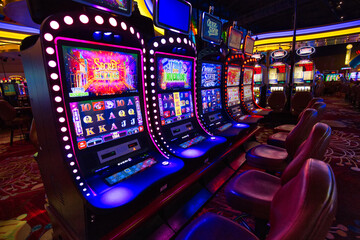
The environment in which gambling occurs plays a significant role in the psychology of players. Casinos are meticulously designed to evoke a sense of glamour and excitement. Bright lights, captivating sounds, and an engaging atmosphere create a sensory overload that can make it difficult for players to leave. This carefully curated ambiance instills a feeling of euphoria and can heighten the desire to continue playing, contributing to longer gaming sessions. The physical aesthetics of a casino are strategically crafted to enhance the overall gaming experience, making it more alluring.
Furthermore, the physical layout of casinos is designed to promote exploration and engagement. Players are often led through a labyrinth of games and attractions, encouraging them to discover new opportunities to gamble. This sense of discovery can create a false sense of control among players, who may believe they are in charge of their gaming fate. In this environment, the lines between reality and fantasy blur, making it easy for individuals to lose track of time and money. The layout is not just about aesthetics but also about maintaining player engagement and prolonging the gaming experience.

The social aspect of gaming environments also cannot be overlooked. Interaction with other players and the camaraderie formed in a bustling casino can enhance the overall experience. Players may feel a sense of belonging and connection, which can further encourage them to engage in gaming activities. This social reinforcement can lead to a cycle of increased gambling, as players seek validation and support from their peers, often overlooking the potential risks involved. The communal experience of gaming can create a shared thrill, amplifying the excitement and drawing players back for more.
Psychological Manipulation Techniques
Casinos employ various psychological manipulation techniques to enhance the gaming experience and increase revenue. One common strategy is the use of variable rewards, which keeps players engaged by providing payouts at unpredictable intervals. This unpredictability creates a more compelling experience, as players are conditioned to keep playing in hopes of receiving their next reward, reinforcing the cycle of gambling. The psychological principle of variable reinforcement is well-studied and is a powerful tool in maintaining player interest and participation.
Additionally, casinos often utilize deceptive practices related to odds and payouts. For instance, while slot machines may advertise high payout percentages, they are designed to pay out over an extended period, creating the illusion of frequent winning. This misrepresentation can lure players into a false sense of security, leading them to gamble more than they had initially planned. By manipulating the perception of risk and reward, casinos ensure that players remain entranced by their games. This creates a battleground where players are pitted against their own psychological biases.
Another psychological tactic involves the framing of losses. Unlike traditional forms of gambling where losses are explicitly visible, some games can mask losses through complex betting structures. Players may feel encouraged to view their losses as simply a part of the game, leading them to continue betting in pursuit of recouping their losses. This normalization of loss can create a dangerous cycle of gambling, where individuals justify their spending based on a perceived ‘need’ to win back what they’ve lost. The framing of losses can obscure the true costs of gambling, making it easier for players to justify their continued engagement.
The Impact of Addiction
The psychological allure of casino gaming can, unfortunately, lead to addiction for some individuals. The thrill associated with gambling can activate reward pathways in the brain, similar to those affected by substance abuse. As players continue to chase the high of potential winnings, they may become increasingly dependent on gambling as a means of escape or entertainment, leading to detrimental consequences in their personal and financial lives. The euphoric feelings associated with wins can create a powerful emotional feedback loop that is difficult to break.
Gambling addiction can manifest in various ways, including a compulsion to gamble despite negative outcomes or the dishonesty about gambling behavior. Individuals may start neglecting responsibilities, relationships, and personal health as their gambling takes precedence. This deterioration can have far-reaching effects, not only impacting the individuals but also their families and communities, leading to increased stress and financial instability. The ripple effects of gambling addiction can be profound, affecting social dynamics and personal well-being.
Efforts to address gambling addiction involve a combination of education, awareness, and support systems. Counseling and therapy can provide crucial assistance for those struggling with addiction, helping them understand the psychological triggers that lead to gambling behavior. Awareness campaigns aimed at educating players about the risks of gambling and promoting responsible gaming practices can also play a vital role in preventing addiction before it becomes a critical issue. Building a supportive environment can help mitigate the risks associated with casino gaming.
Conclusion: Understanding Gaming Psychology for Safer Experiences
Understanding the psychology behind casino gaming is essential for promoting safer gambling practices. By recognizing the emotional and psychological triggers that influence gaming behavior, individuals can make more informed decisions about their gaming activities. Awareness of the effects of environment, uncertainty, and manipulation techniques can empower players to be more mindful of their gambling habits. This knowledge is crucial in navigating the complex landscape of gaming.
As research continues to uncover the complexities of gambling psychology, it is crucial for casinos and stakeholders in the gaming industry to prioritize responsible gaming initiatives. Providing resources for players, including access to counseling and support, can create a healthier gaming environment. By fostering a culture of awareness and responsibility, both players and casinos can work together to minimize the risks associated with gambling. Collaborative efforts can lead to a more balanced approach to gaming.
In conclusion, the psychology of casino gaming is a multifaceted issue that demands ongoing attention. Whether one views gambling as a form of entertainment or a potential risk, understanding its psychological implications is key to navigating the world of gaming safely and responsibly. Engaging with supportive resources and promoting a balanced approach to gaming can help individuals continue to enjoy the thrill without succumbing to its darker aspects. A comprehensive understanding of these dynamics is essential for creating a sustainable gaming culture.